 CALL US NOW
 EMAIL US NOW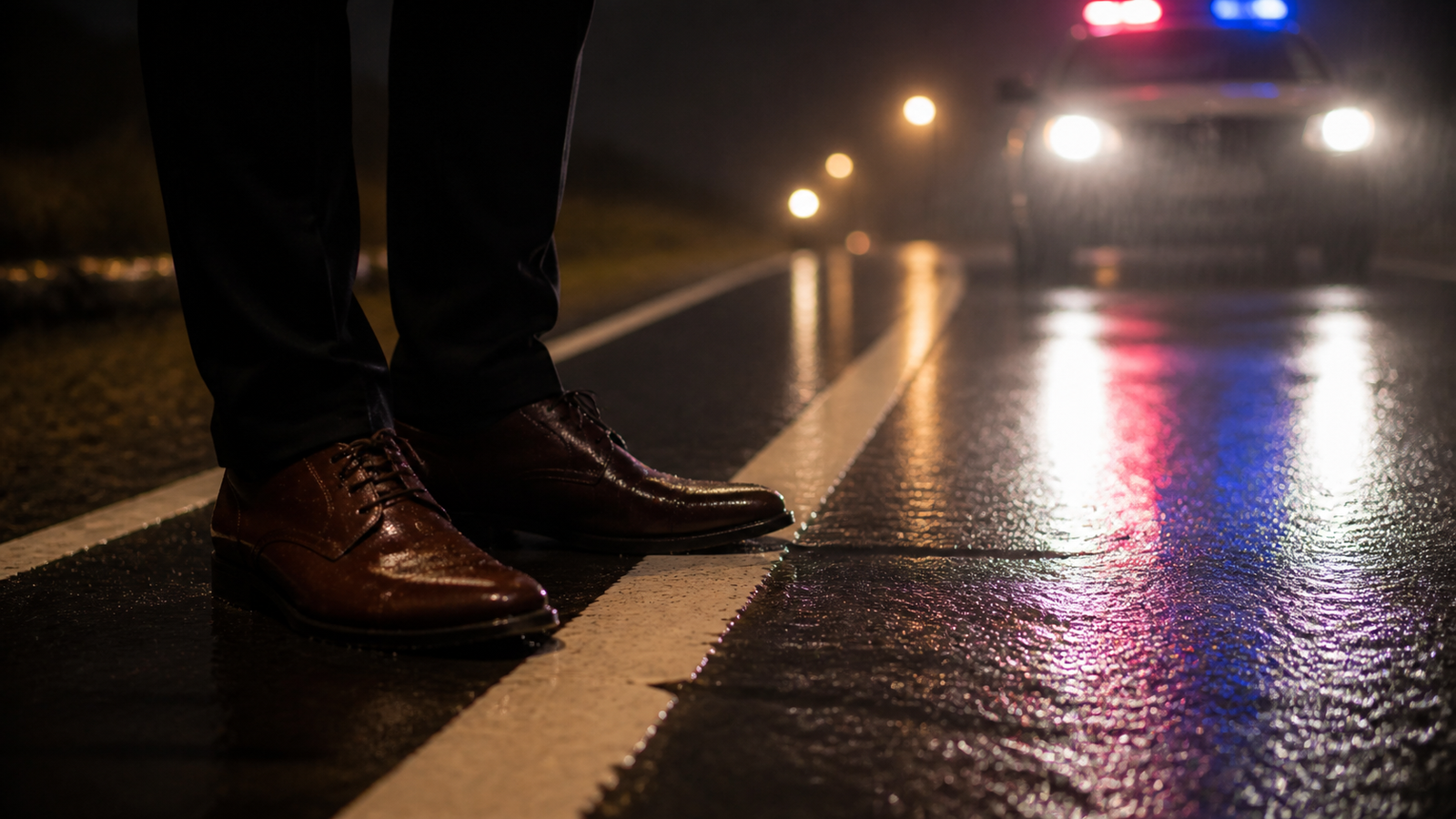
DUI field sobriety tests are only as reliable as the person administering and scoring them. These are human observations under roadside conditions, not laboratory measurements, therefore they tend to be subjective. One officer may score the same performance differently from another officer, which gives our firm the opportunity to challenge the results in your DUI case.
Observation, Not Measurement
The three standardized tests recognized by the NHTSA aren’t measured through an instrument or objective score. Instead, a law enforcement officer is counting clues they observe at the scene and then forms their judgment.
These tests are anything but accurate as one officer might account for other factors present on the roadside — such as slippery gravel or the constant glare of oncoming headlights cutting through the darkness — while another officer may not. Essentially, each officer will view what they observe in their own way. Some may even try to ask you to perform tests outside of the three standardized tests from NHTSA. What you might not realize is that you are legally allowed to refuse to take a field sobriety test without penalty.
Our guide on Field Sobriety Tests in Illinois: What You Need to Know explains more about these tests and why The Conner Law Firm frequently challenges their merits in DUI cases.
Conditions That Distort Results
Field sobriety tests can illustrate a person’s behavior, though there are certain factors that can distort the results, which may lead to an arrest even if you’re not impaired.
Surface Conditions
Some roadsides are covered in gravel that can make even the most sure-footed person slip. Many have slopes or uneven pavement as well, and that can contribute to wobbling during a field sobriety test.
Environmental Conditions
Weather and the environment at large can also play a role in how a person may perform roadside tests. Cold weather brings icy roads that can cause slipping and sliding. If you’re pulled over at night, limited visibility may make it hard to see in front of you. Conversely, the lights from passing traffic as well as the continuous strobing from the squad car lights can have a blinding effect that causes eyes to water and squint.
Situational Factors
If you have never been pulled over before and have a clean record, it can be even more stressful and frightening when you’re asked to perform these roadside tests. The instructions aren’t something you’re familiar with and they’re delivered once, making the pressure and worry increase.
Physical and Medical Factors
There are other factors that can’t be ignored for field sobriety tests either. Your age, weight, and any prior injuries that have had an impact on you can all affect your ability to keep balance, even if you’re completely sober. Inner ear and neurological conditions in particular make performing these tests to an officer’s satisfaction an even bigger challenge.
Footwear can also be a concern, especially for women who may be dressed up from their day at work or an evening event. Police officers should be asking you about any conditions you may have that could impede you from performing these tests, and if they don’t, that is one of the cross-examination points we look at when challenging results in court.
Attorney Insight
“As a former prosecutor, I know exactly how these tests are supposed to be administered, and exactly where officers cut corners. When I cross-examine an officer on their training and the conditions at the scene, I’m not guessing where the weaknesses are.” — Erin K. Conner, Founding Attorney and former Chief of the Criminal Bureau, St. Clair County State’s Attorney’s Office
What This Means for Your Case
Although field sobriety tests are subjective, they aren’t automatically excluded from evidence. Body and dashcam footage, when available, can contradict the written report. In other words, someone else may review performance of the roadside tests and determine that you did not appear impaired. What matters most now is to get a Belleville DUI defense lawyer to protect your interests in both the criminal and administrative actions.
The Conner Law Firm challenges the reliability of field sobriety test evidence in DUI cases in St. Clair, Madison, and Monroe Counties, and throughout southern Illinois. Led by Founding Attorney Erin K. Conner, a former prosecutor, our firm is ready to fight for you and work toward the most favorable outcome possible for your situation. Call (618) 277-2421 or text (314) 944-5553 to schedule your DUI defense consultation.