 CALL US NOW
 EMAIL US NOW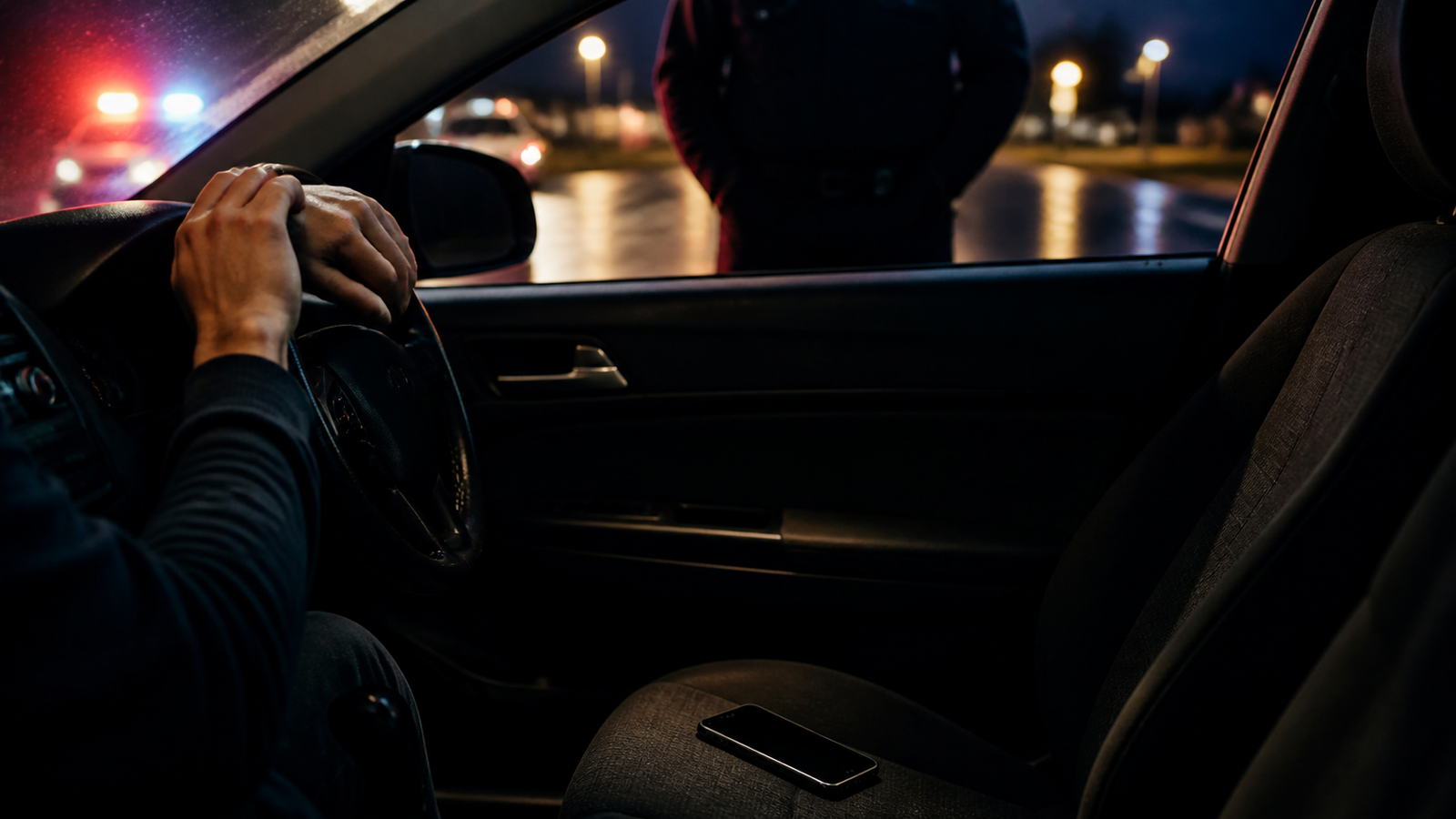
Yes, you must identify yourself and provide your driver’s license, proof of insurance, and registration during a DUI stop. However, you do not have to answer any questions you are asked by the officer about where you’ve been or what you’ve had to drink. Knowing what you must answer and what you are within your rights to decline discussing is important for every driver in Illinois.
What You Are Required to Hand Over
When an officer pulls you over for a traffic stop, you are obligated under Illinois law to provide your basic identifying information. While behind the wheel, you will be asked to supply your driver’s license, proof of valid car insurance, and vehicle registration.
Compliance here is not optional, and it is best to obey these requests from the officer standing at your driver’s side window. Be polite throughout your interaction as and remember that refusing to show these documents or answer truthfully about your name can create separate problems. Knowing what to do after a DUI arrest in Illinois is also important should you be cited for driving under the influence.
What You Are Not Required to Discuss
Police officers who have probable cause to make a traffic stop often ask questions to drivers beyond those questions that drivers are obligated to answer, and beyond why the driver was stopped. While you must give the documentation mentioned above, you have zero obligation to provide answers to questions about where you were coming from, whether you had anything to drink, and how much.
A surprising number of drivers will answer “just two beers” and that information anchors the State’s entire narrative. Instead, do not offer this information, whether it is true or not, and never attempt to argue with law enforcement in these scenarios. Instead, tell the officer that you decline to answer questions as your rights allow. Silence is not evidence that you are guilty. It is a right you are permitted to exercise, though your demeanor will be noted in the report which will be reviewed by the prosecutor if you are charged.
How to Decline Without Escalating
The Constitution provides protections for all U.S. citizens, and one of them is the Fifth Amendment privilege that grants you the right to remain silent. It can be frightening to be pulled over, though the most important thing is to stay polite and stay buckled in your seat with your hands visible on the steering wheel.
That might seem daunting, especially since you don’t want to say the wrong thing. Phrasing your refusal to answer additional questions you are not legally obligated to answer can be as simple as stating, “Officer, I won’t be answering these questions.”
Many Illinois residents wonder, should I refuse a breathalyzer in Illinois? Whether you submit or refuse, there are consequences to keep in mind. Declining to answer an officer’s questions is separate from declining tests, and unlike declining a breathalyzer, refusing field sobriety tests or answering questions about your night does not come with automatic statutory penalties.
Everything Is Being Recorded
Although it’s intimidating to be pulled over and questioned about whether you’ve been drinking, the traffic stop itself may help your case. Police cruisers are equipped with dashcams, and officers wear bodycams, both of which record the entire course of events.
The State uses it to look for evidence that you are guilty, though your Belleville DUI defense lawyer will be using it as a defense opportunity. In the report filed by the arresting officer, they will note if they detected an odor of alcohol coming from your vehicle, whether your speech was coherent, if your eyes looked red, and if you could maintain balance when asked to exit your vehicle.
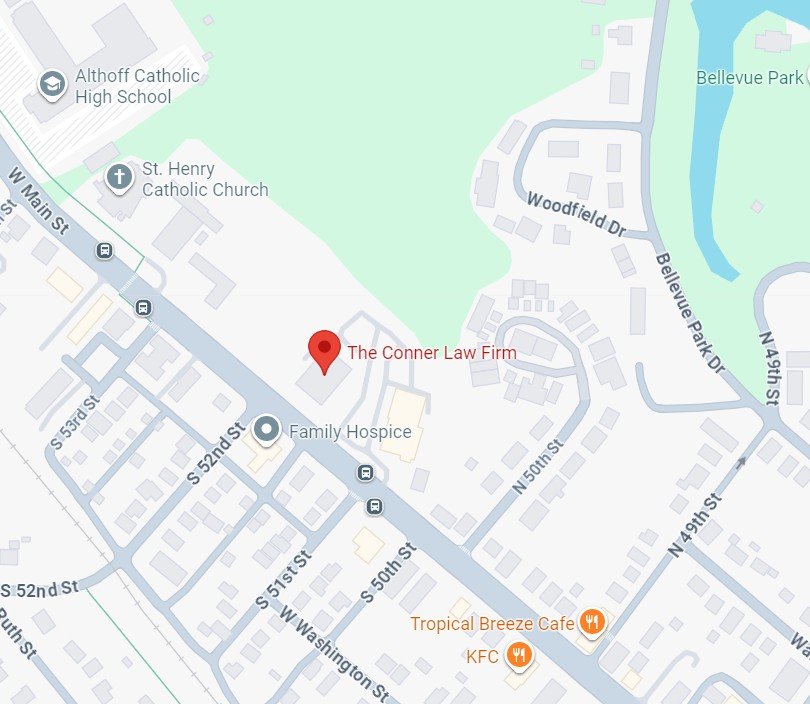
Video footage allows your attorney to look for anything that is inconsistent with the report. Having a defense attorney with a background as a former prosecutor gives you an extra edge in these situations as they will know exactly what the State will focus on and be ready to fight back. The Conner Law Firm defends drivers whose DUI cases were built on statements made at the roadside throughout southern Illinois.
Attorney Insight
“Politely invoking your right to remain silent is almost always the right move.” — Erin K. Conner, former Chief of the Criminal Bureau, St. Clair County State’s Attorney’s Office
Already Said Too Much?
If you already answered questions you now know you didn’t have to answer and wound up getting charged with a DUI in Illinois, don’t wait to get a lawyer. Those statements can still be challenged, and our attorneys can test the report against the footage to fight your DUI charge. Contact The Conner Law Firm today at (618) 277-2421 or text (314) 944-5553 to get started on your defense.