 CALL US NOW
 EMAIL US NOW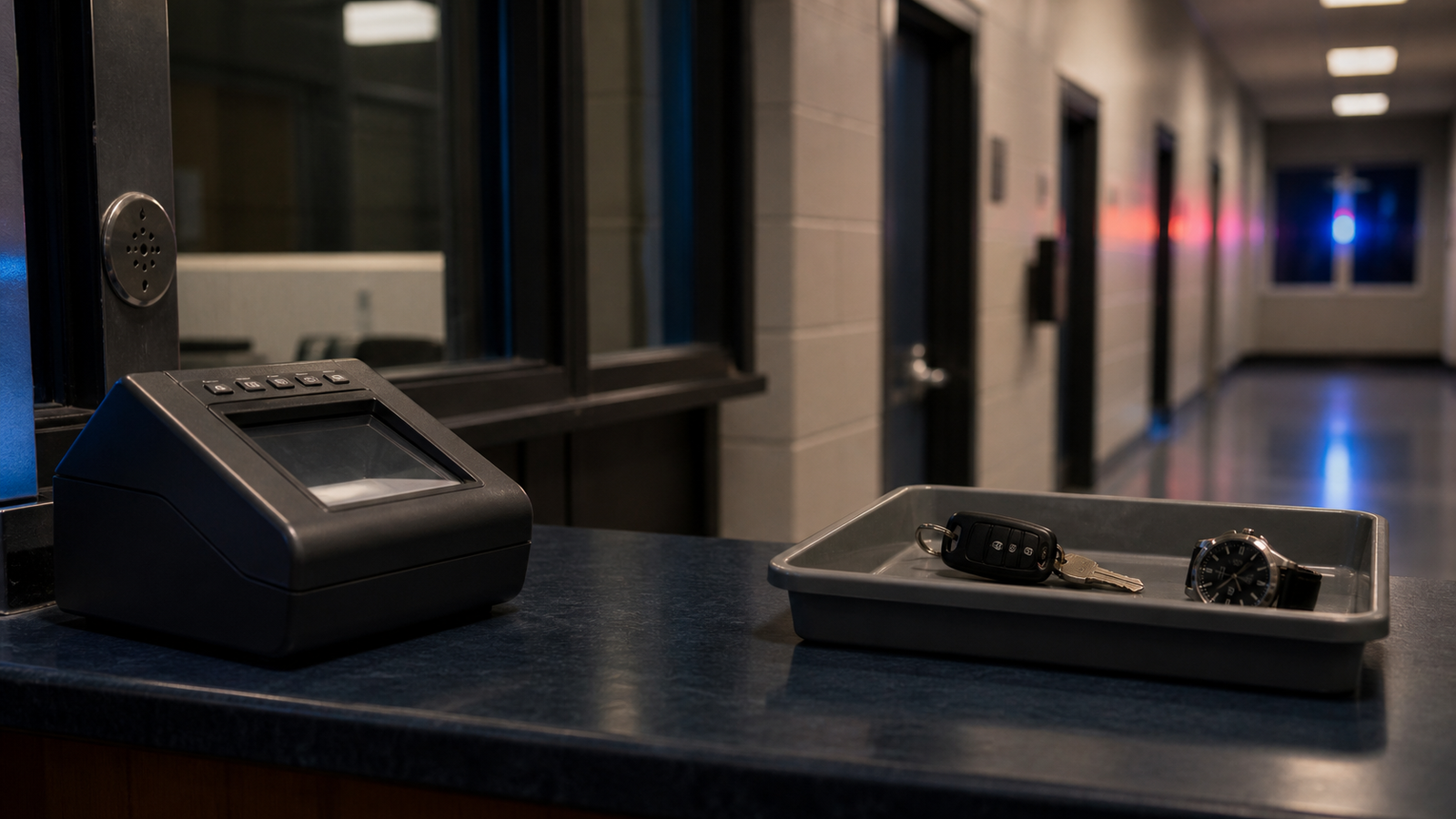
At an Illinois DUI booking, you’re taken to the local police station or county jail where officers record your information, take inventory of your belongings, and attempt chemical testing. Since many people who are arrested for DUI have never been in trouble with the law before, understanding what happens and where to go from there is integral for protecting your rights.
The Physical Process, Step by Step
When facing a DUI arrest in Illinois, there are several steps that happen during the physical process:
- Transport: The arresting officer takes you to the local police station or the county jail.
- Information: Staff there will record your personal information, including your name, address, and the details of your arrest.
- Belongings: All personal items you have in your possession are collected, listed on a form, and stored safely until you’re released.
- Identification: Police then take your mugshot photograph and digital fingerprints.
- Chemical testing: Officers may request that you take a chemical test if you have not completed one yet using breath, blood, or urine.
- Release: You’ll be issued traffic citations and told the conditions of your release.
Either after this process or for your phone call, don’t wait to get a hold of a Belleville DUI defense lawyer. They’ll help you starting from when you’ll be formally charged and work to cast doubt on the prosecution’s case.
The Conversation That Isn’t Required
Whenever you are stopped by the police, you should never make the mistake of providing more information than necessary. The information that you are required to provide includes your name, date of birth, and your driver’s license. You should always be polite and never try to argue, even if you think that the officer is wrong.
You’re not obligated to answer where you were, who you were with, or whether you were drinking. If you are arrested and brought into the station, the so-called friendly conversation they may try to engage you with is not off the record. Anything you say then can be put in their report and then used against you to convict you of these charges. Casual admissions during processing can surface in the prosecution’s case. This makes it essential to know exactly what to do after a DUI arrest in Illinois.
Chemical Testing at the Station
At the station, you’ll usually be offered the breath test, and you’ll have a decision to make. Whether to refuse the breath test or take it is entirely up to you, but you should know that it comes with consequences.
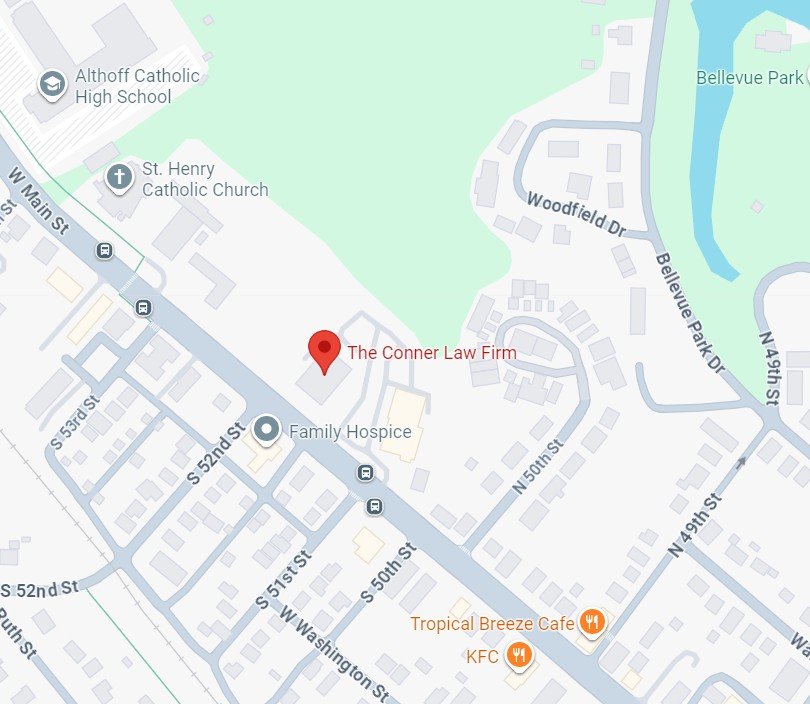
Refusing the test results in a longer statutory summary suspension of your license than if you were to take the test and fail. However, submitting to the test could give prosecutors the evidence they need to convict you. Issues with machine calibration, administration of the tests, and failing to follow proper procedure in your arrest may all be used to come to your defense. No matter your answer, make sure you contact The Conner Law Firm, where our attorneys represent drivers processed at St. Clair, Madison, and Monroe County facilities after a DUI arrest.
Attorney Insight
“You are not obligated to answer questions about where you were, who you were with, or whether you were drinking. Politely decline to provide information about your evening, and keep it to name, date of birth, and driver’s license.” — Erin K. Conner, former Chief of the Criminal Bureau, St. Clair County State’s Attorney’s Office
After Release
When you’re released, you’ll be handed a citation and typically, a notice of summary suspension. The 46-day clock starts from that notice, so the time to act is immediately. If you’re wondering, can I drive after a DUI arrest in Illinois, missing that window means you’ll need a Monitoring Device Driving Permit (MDDP) with an ignition interlock device installed just to keep driving at all.
Don’t wait. Contact The Conner Law Firm today by calling (618) 277-2421 or texting (314) 944-5553 for a consultation. The clock is already ticking and every minute matters when facing DUI charges in Illinois.